


Decorating your home does not have to cost a lot of money. With a few simple materials, some free time, and a little imagination, you can turn ordinary items into beautiful decorations. Whether you live in a small apartment, a family house, or a rented room, there are many ways to make your space feel more comfortable and personal.
Creative DIY Home Decor Projects are a great way to refresh your rooms without spending money on expensive furniture or accessories. You can reuse glass jars, old picture frames, leftover fabric, wooden pieces, and other everyday items to create something special. These handmade decorations can also help you express your personal style.
In this guide, you will discover ten easy decorating ideas for 2026. Each project includes useful materials, simple instructions, and styling tips to help you get started. You will also find budget estimates, project difficulty levels, and safety advice for beginners.
You do not need professional tools or advanced crafting skills to begin. Start with one small project, learn as you go, and enjoy making your home more welcoming one step at a time.
Plan Your DIY Decorating Projects
Before starting any craft, think about the room you want to improve. Look at its colors, furniture, lighting, and available space. This will help you choose decorations that match your existing style instead of making the room look crowded.
For example, neutral colors such as cream, beige, and soft gray work well in calm spaces. If you prefer a brighter look, consider adding small touches of sage green, terracotta, navy blue, or mustard yellow.
Next, decide how much money you can spend. Many projects use items you already own, so check your cupboards and storage boxes before purchasing supplies.
What materials should beginners collect?
Here are some useful materials for home decorating:
- Acrylic paint and paintbrushes
- Glass jars and clean containers
- Old picture frames
- Fabric scraps and plain pillow covers
- Natural rope or cotton cord
- Small wooden boards
- Scissors, rulers, and pencils
- Suitable glue and painter’s tape
Choose materials based on the project you want to complete. You do not need to purchase everything at once.
Budget and difficulty guide
The following estimates are illustrative US dollar ranges for small projects. Actual costs depend on local prices, material quality, and what you already have at home.
| Project | Estimated cost | Time required | Difficulty |
|---|---|---|---|
| Painted wall art | $5–$15 | 1–2 hours | Easy |
| Decorative glass jars | $3–$10 | 30–60 minutes | Easy |
| Fabric pillow covers | $8–$20 | 1–2 hours | Easy |
| Recycled planters | $3–$12 | 30–60 minutes | Easy |
| Floating shelves | $15–$40 | 2–4 hours | Moderate |
These estimates exclude major tools and professional installation. Reusing supplies can reduce your costs.
Create Your Own Wall Art
Empty walls can make a room feel unfinished. Fortunately, you do not need expensive paintings to give them personality. Handmade wall art is an affordable way to introduce color, patterns, and texture into your home.
One easy option is abstract canvas art. Buy an inexpensive canvas or reuse an old one. Choose two or three colors that match your room, then apply them with a brush, sponge, or palette knife. You can create simple lines, curved shapes, or overlapping color blocks.
Allow each layer to dry before adding another color. Keep the design simple if you are new to painting.
Another idea is to create a framed fabric display. Find a piece of fabric with an attractive pattern, cut it slightly larger than the frame’s backing, and secure it neatly behind the frame. This gives you a decorative piece without requiring painting skills.
You can also create a gallery wall using family photographs, printable artwork, and personal drawings.
Styling tip: Arrange your frames on the floor before hanging them. This makes it easier to test different layouts and keep the final display balanced.
If you rent your home, consider removable picture hooks or other wall-safe hanging products. Check the manufacturer’s weight limits and follow the installation instructions.
Turn Glass Jars into Decorative Accessories
Glass jars are useful household items that can become attractive decorations with very little effort. Instead of throwing away suitable jars, clean and reuse them as organizers, small vases, or decorative containers.
Start by washing the jars with warm, soapy water. Remove their labels and allow them to dry completely. Check the glass for cracks or sharp edges before using it.
For a simple modern look, paint the outside with suitable glass-compatible paint. Neutral shades create a calm appearance, while muted green or blue can add a little color.
You can also wrap natural jute rope around the lower part of a jar. Apply a small amount of suitable adhesive, then wrap the rope evenly. Keep the surface clean and let the adhesive cure according to its instructions.
Here are three ways to use your finished jars:
- Flower vases: Add fresh flowers or dried stems.
- Desk organizers: Store pens, pencils, and paintbrushes.
- Decorative containers: Display clean decorative stones or other suitable objects.
Group three jars of different heights on a wooden tray to create a simple centerpiece.
Keep painted or decorated jars separate from food storage unless all materials are specifically approved for food contact. Avoid placing ordinary candles inside decorated jars unless the container and setup are designed for that use. Battery-powered LED lights are a safer option for most decorative displays.
Refresh Old Pillow Covers
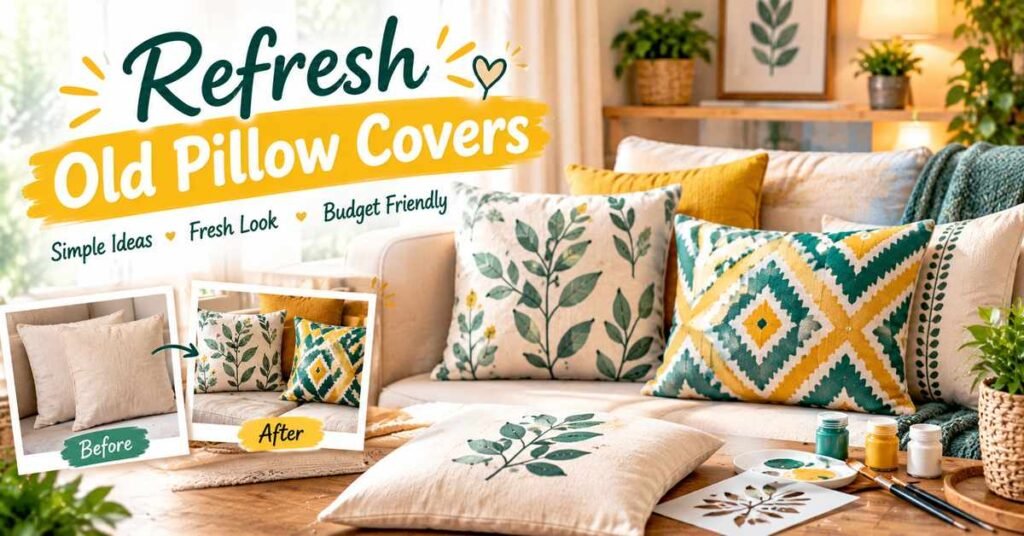
Changing cushions is an easy way to give your living room or bedroom a fresh appearance. You do not need to buy a completely new set when you can update the covers you already own.
Begin with plain pillow covers made from a fabric suitable for your chosen paint or decorating method. Cotton covers are often a convenient starting point.
Choose a simple pattern, such as leaves, geometric shapes, small flowers, or curved lines. You can create these designs with fabric paint and a stencil.
Place a piece of cardboard inside the cover to prevent paint from reaching the opposite side. Position the stencil and apply the paint in light, even layers. Remove the stencil carefully and let the design dry fully.
Always follow the paint manufacturer’s instructions for washing and heat-setting, if required.
If you prefer not to paint, try adding decorative fabric patches or making a removable cover from leftover material.
How to style decorative cushions
Use one main color, one supporting color, and one accent shade. For example, cream cushions with sage green patterns and a terracotta accent can create a warm, natural look.
Combine different textures rather than using too many competing patterns. You can place a patterned cushion beside two plain cushions to create balance.
Choose washable fabrics when decorating frequently used sofas. This makes it easier to keep your handmade accessories clean and in good condition.
Make Planters from Recycled Containers
Plants can bring natural color and life into a room. Attractive planters make them even more appealing, and you can create simple containers from suitable recycled materials.
Clean an empty metal can thoroughly and remove its label. Check the rim carefully for sharp edges. If the edge is damaged or unsafe, choose another container rather than trying to use it.
Paint the outside with a suitable product and allow it to dry completely. You can use a single color, create stripes, or paint small geometric patterns.
For a real plant, drainage is important. Use a container with suitable drainage holes or keep the plant in a separate nursery pot inside the decorative container. Empty excess water regularly to prevent root damage and surface stains.
Small indoor plants, such as suitable varieties of pothos or snake plants, can work well in decorative displays, depending on the available light and your home’s conditions.
You can also use clean glass containers for water-propagated plant cuttings, provided the plant species is suitable for this method.
Important tip: Research the light, water, and temperature needs of your chosen plant before placing it in a room.
Arrange your planters near a suitable window or on a shelf where they receive the right amount of light. Keep them away from walkways and unstable surfaces, especially if you have children or pets.
Build a Simple Decorative Shelf
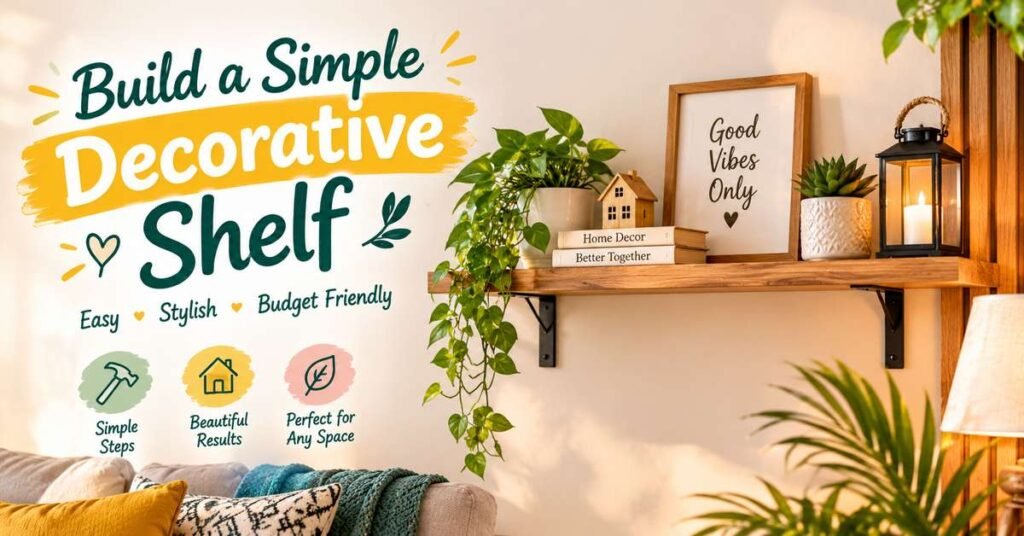
A shelf can make a room more attractive while providing useful storage. It gives you a place to display books, small plants, framed photographs, and other favorite items.
If you are a beginner, start by planning the shelf’s size and location. Measure the available wall space and consider what you want to place on it.
For a simple project, use a finished wooden board and suitable shelf brackets. Sand rough wooden edges before applying paint or wood finish. Follow the product instructions and allow the finish to dry completely.
Choose brackets and wall fixings that are appropriate for the shelf’s weight, the items it will hold, and the type of wall. Heavy shelves may require attachment to wall studs or suitable masonry fixings.
If you are unfamiliar with drilling or wall installation, ask an experienced person or professional for help.
Once installed, style the shelf with a few carefully selected objects.
For example, combine a small plant, two or three books, and a framed photograph. Leave some empty space between objects so the arrangement does not look crowded.
You can also change the display throughout the year. Add warmer colors in autumn or lighter accessories during spring.
Safety reminder: Never climb on a decorative shelf or use it as a step. Keep heavy objects low and secure items that could fall, particularly in homes with children.
Upgrade a Plain Mirror with a Decorative Frame
A mirror can make a room feel brighter and more open by reflecting light. Adding a decorative frame can also make a plain mirror look more interesting.
One simple idea is to use lightweight decorative trim around a suitable mirror. Measure the mirror first, then plan the frame so that all four sides fit neatly.
Choose materials that are compatible with the mirror and its existing frame. Follow the adhesive manufacturer’s instructions and support the pieces while they cure.
Another option is to wrap a suitable mirror frame with natural cotton cord or jute rope. This creates a relaxed, natural look that works well in many casual interiors.
Apply adhesive carefully, avoiding the reflective surface. Keep the rope or trim away from any part that must remain clear for safe mounting.
You can finish the project with a small decorative detail, such as a neat bow or a matching wooden accent.
Where should you place a decorative mirror?
- In a hallway, where it can be useful before leaving home.
- Above a console table, with enough clearance around the display.
- Near a window, where it can reflect natural light.
- In a bedroom, where it complements the furniture and color scheme.
Check that the mirror is securely attached to a suitable wall fixing. Large or heavy mirrors may need professional installation.
Avoid positioning mirrors where direct sunlight could create unwanted glare or where their reflection makes a small space feel visually busy.
Make Simple Fabric Decorations
Fabric is a useful material for adding warmth, softness, and color to a room. Even small fabric projects can make a noticeable difference.
One beginner-friendly idea is a no-sew fabric wall hanging. Choose a wooden dowel, a piece of fabric, and suitable fabric adhesive or another method recommended for your material.
Cut the fabric to your preferred size. Create a neat top edge that can hold the dowel, following the instructions for your chosen adhesive or fastening method. Attach a cord for hanging and check that the finished piece is secure.
You can decorate the fabric with simple painted shapes, small stitched details, or a contrasting border.
Another idea is to create fabric-covered storage boxes. Reuse a sturdy cardboard box, measure the fabric, and cut it with enough extra material to cover the edges. Attach it using an appropriate adhesive, smoothing out wrinkles as you work.
These boxes can hold lightweight items such as craft supplies, letters, or accessories.
For a coordinated look, choose fabrics that repeat colors already found in your room.
For example, a beige fabric organizer can complement cream walls, while a patterned wall hanging can add color to a simple bedroom.
Avoid placing fabric decorations close to hot bulbs, heaters, open flames, or other heat sources. If you are decorating a child’s room, secure hanging items carefully and keep cords out of reach.
Create a Cozy Corner with Better Lighting
Lighting changes how a room feels. Bright overhead lighting is useful for daily tasks, but softer lighting can make a reading corner or bedroom feel more relaxing.
You can create a simple decorative lighting corner without changing your home’s electrical wiring.
Start with a small side table, a comfortable chair, and a suitable lamp. Add a cushion, a lightweight throw, or a small plant to complete the space.
If you already own a lamp, consider refreshing its appearance with a replacement lampshade in a color that matches your room. Use a shade that is compatible with the lamp and its bulb type.
For another easy idea, arrange battery-powered LED lights inside a suitable decorative lantern. Choose a product designed for the intended use and follow its safety instructions.
Avoid using ordinary paper, fabric, or rope decorations around exposed bulbs that become hot. Do not cover a lamp with homemade materials unless the lamp manufacturer specifically permits that arrangement.
How to choose the right lighting
| Area | Suggested lighting | Main purpose |
|---|---|---|
| Reading corner | Adjustable task lamp | Helps you read comfortably |
| Bedroom | Soft bedside lamp | Creates a relaxing atmosphere |
| Living room | Table lamp and ambient light | Adds warmth and depth |
| Desk | Focused task lighting | Supports detailed work |
Use a warm-white bulb when you want a softer appearance, or a cooler light where clear visibility is important. The best choice depends on the activity and your personal preference.
Keep electrical cords in good condition and away from walking paths. If a lamp, plug, or cable is damaged, stop using it until it has been safely repaired or replaced.
Make Seasonal Decorations You Can Reuse
Seasonal decorations can refresh your home without requiring a complete room makeover. The best part is that many handmade items can be stored and reused in future years.
For spring, make a small arrangement using artificial flowers, a clean glass vase, and a simple ribbon. Choose two or three colors that complement your existing decorations.
During autumn, create a centerpiece using a wooden tray, reusable fabric, and suitable decorative objects. Artificial leaves or other reusable seasonal accessories can add color without creating much waste.
For winter celebrations, consider a handmade wreath using a suitable base and reusable decorations. Attach lightweight ornaments securely and check that the finished wreath is safe to hang.
You can also make simple paper decorations for birthdays, family gatherings, or other special occasions.
Use clean, suitable paper and avoid placing paper decorations near flames or hot electrical equipment.
Store your decorations properly
After each season, clean reusable items and allow them to dry completely. Store them in labeled containers to make them easier to find later.
Keep delicate decorations in protective wrapping, and place heavier items at the bottom of storage boxes. Store paint, glue, and other crafting supplies according to their labels.
When choosing seasonal colors, you do not need to replace every accessory. Change a few small items while keeping your main furniture and larger decorations the same.
This approach helps you refresh your home while reducing unnecessary spending.
Visual Guide: Choose the Right Project for Your Home
The best project depends on your available space, budget, skills, and decorating goals. Use the tables below to choose a suitable starting point.
Project selection chart
| Your goal | Recommended project | Why it works |
|---|---|---|
| Decorate an empty wall | Handmade wall art | Adds color and personality |
| Reuse household items | Glass jar decorations | Gives containers a new purpose |
| Refresh a sofa | Painted pillow covers | Changes the look without replacing furniture |
| Add greenery | Recycled planters | Creates a natural decorative feature |
| Improve storage | Decorative shelving | Combines display space with function |
| Make a room feel warmer | Lighting corner | Creates a comfortable atmosphere |
| Change decorations seasonally | Reusable seasonal crafts | Reduces the need to buy new accessories |
Useful tips before starting
| Step | What to do | Why it matters |
|---|---|---|
| Plan | Measure the available space | Helps prevent sizing mistakes |
| Budget | Set a spending limit | Keeps the project affordable |
| Prepare | Gather tools and materials | Makes the process easier |
| Test | Try paint on a small area | Helps check the color and finish |
| Finish | Allow materials to dry or cure | Improves durability |
| Maintain | Clean and inspect finished items | Helps them last longer |
These simple checks can help you avoid common mistakes and make better use of your materials.
Frequently Asked Questions
What are the easiest DIY home decorations for beginners?
Painted canvas art, decorative glass jars, fabric pillow covers, and recycled planters are good starting points because they need relatively few materials.
How can I decorate my home on a small budget?
Reuse items you already own, update old accessories, shop for affordable supplies, and complete one project at a time.
Which materials are best for handmade home decorations?
Fabric, glass, suitable wood, paper, and acrylic paint are useful options. Always choose products appropriate for the intended use.
Can renters make their own home decorations?
Yes. Renters can try removable wall art, decorative jars, cushion covers, tabletop accessories, and other projects that do not permanently change the property.
How can I make my DIY decorations last longer?
Use suitable materials, follow product instructions, allow finishes to cure fully, and clean and store each item properly.
Conclusion
Decorating your home can be enjoyable, affordable, and rewarding when you choose projects that suit your space and skills. From handmade wall art and painted cushions to recycled planters and cozy lighting corners, small changes can make a room feel more personal without requiring a large budget.
The most successful Creative DIY Home Decor Projects begin with a clear plan. Choose colors that complement your existing furniture, reuse suitable household materials, and focus on decorations that are both attractive and practical. Remember that you do not need to complete every project at once. Starting with one simple idea can help you develop new skills and discover the decorating style you enjoy most.
“`html “`
[…] walls can also help a compact bathroom feel brighter. White, cream, and pale beige are useful choices, especially when […]