

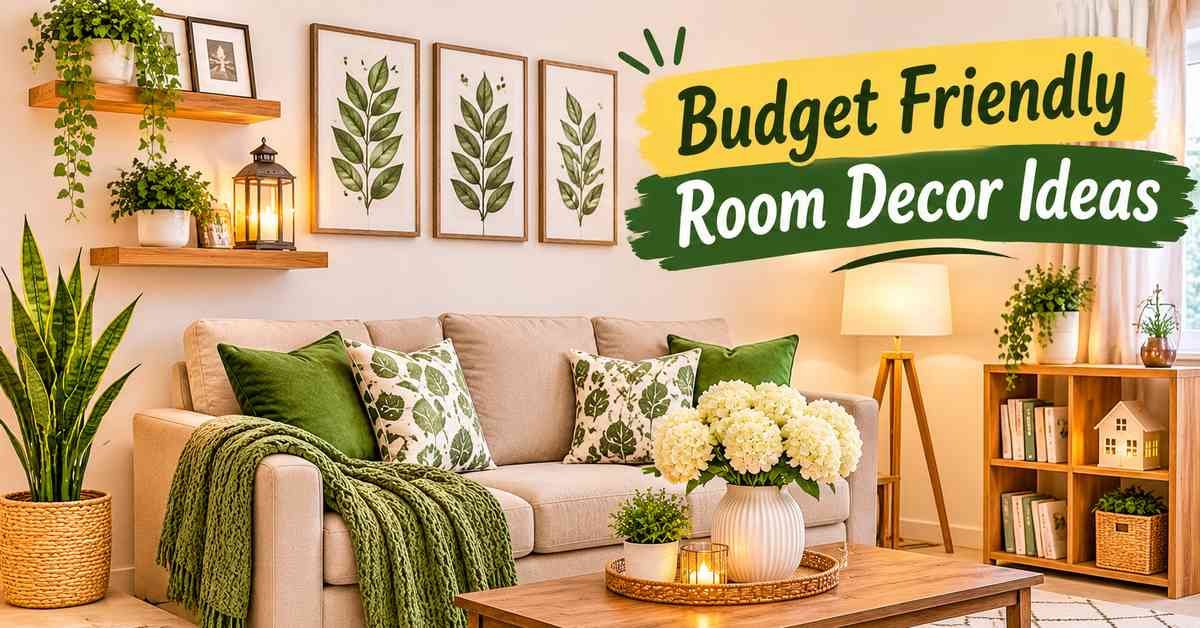
Decorating your home does not have to cost a lot of money. A beautiful room is not always filled with expensive furniture, designer accessories, or luxury decorations. Sometimes, small changes can make a big difference. With a little creativity, careful planning, and a few simple projects, you can give your home a fresh and welcoming look without spending too much.
If your bedroom feels boring, your living room looks empty, or your walls need something new, there are many affordable ways to improve your space. You do not need to replace everything or hire an interior designer. You can reuse old furniture, add comfortable fabrics, improve your lighting, and create simple decorations yourself.
In this guide, you will discover practical Budget Friendly Room Decor Ideas that work for different room sizes, styles, and budgets. Whether you live in a small apartment, rent your home, or want to refresh your family house, these tips will help you create a comfortable space that reflects your personality.
The best part is that you can start with things you already own and make changes one step at a time.
Rearrange Your Furniture for a Fresh Look
One of the easiest ways to change the appearance of a room is to rearrange your existing furniture. It costs nothing, but it can make your space feel completely different. Before buying new items, look at what you already have and think about how you can use it in a better way.
Start by moving your sofa, bed, chairs, or side tables into a different position. For example, placing your sofa near a window can make your living room feel brighter and more open. Moving your bed away from a crowded corner may create better walking space in your bedroom.
Keep these simple tips in mind:
- Place large furniture against suitable walls to create more open floor space.
- Avoid blocking doors, windows, and natural walking paths.
- Move small tables or chairs between rooms when they are needed elsewhere.
- Remove furniture that makes the room feel crowded.
- Keep frequently used items within easy reach.
You can also create a small reading corner using an old chair, a side table, and a comfortable cushion. If you have an unused stool, turn it into a small plant stand or bedside table.
Before moving heavy furniture, check that the floor is protected and ask for help when needed. Avoid placing large pieces where they could fall or block an exit.
The goal is not to fill every empty corner. Instead, create a balanced layout that makes your room comfortable, practical, and easy to use.
Refresh Your Walls with Affordable Decorations
Empty walls can make a room look unfinished. However, you do not need expensive paintings or professional wall designs to make them attractive. A few carefully selected decorations can bring personality and color to your home.
One affordable option is to create a gallery wall. Collect family photographs, printable artwork, small posters, or pictures from old magazines. Place them inside matching or similar picture frames. Arrange the frames on the floor first so you can find a layout you like before hanging them.
Other simple wall decoration ideas include:
- Hang one large piece of artwork above your sofa or bed.
- Use removable wall stickers to create a simple design.
- Display decorative baskets or handmade wall pieces.
- Create your own artwork using inexpensive supplies.
- Add a small floating shelf for photographs and lightweight decorations.
If you prefer a more modern appearance, choose simple artwork with two or three colors. For a farmhouse-inspired room, wooden frames, nature prints, and neutral pictures can create a warm feeling.
Renters should check their rental agreement before making changes. Removable hooks and suitable adhesive strips may help, but always follow the product instructions and test them carefully because some surfaces can still be damaged.
When decorating, avoid placing too many small objects together. A few larger pieces often create a cleaner and more organized appearance than a wall filled with random decorations.
Change Cushion Covers, Curtains, and Bedding
Soft furnishings are an easy way to give your room a different appearance without replacing expensive furniture. Cushion covers, curtains, bedsheets, blankets, and rugs can change the color and feeling of a space.
Start with your sofa or bed. If your furniture is plain, introduce two or three cushion colors that work well together. For example, beige furniture looks attractive with olive green, rust, cream, or soft brown cushions.
You can also refresh your bedroom by changing the bedsheet and adding a simple blanket at the end of the bed. A neatly arranged bed can make the entire room look cleaner and more inviting.
Here are some useful ways to update your fabrics:
- Replace old cushion covers instead of purchasing new cushions.
- Wash and reuse curtains that are still in good condition.
- Choose lightweight curtains to let natural light enter.
- Add a soft throw blanket to your sofa or bed.
- Use washable fabric covers in homes with children or pets.
When choosing colors, think about the furniture, wall paint, and flooring already in your room. You do not need every fabric to match exactly. Choosing colors from the same family can create a connected look.
For example, a combination of warm white, beige, and light brown can create a peaceful atmosphere. If you prefer something brighter, add small touches of terracotta, blue, or green.
Always measure your windows and furniture before purchasing new fabrics. This simple step helps prevent unnecessary spending and returns.
Improve Room Lighting with Affordable Options

Lighting plays an important role in how a room looks and feels. A room with poor lighting can appear dull, even when it has attractive furniture and decorations.
Instead of depending on one bright ceiling light, try using different light sources. A table lamp, floor lamp, or small reading light can make your room feel more comfortable.
Start by making better use of natural light. Open your curtains during the day, clean your windows, and avoid placing large objects directly in front of them.
For evening lighting, consider these options:
- Place a small table lamp beside your bed.
- Add a floor lamp to an empty living room corner.
- Use warm-white bulbs for a comfortable atmosphere.
- Place a small lamp near your reading chair.
- Choose energy-efficient LED bulbs.
LED lighting can also help reduce electricity use compared with many older lighting options. Check the brightness and color information on the packaging before buying a bulb.
You can create a cozy reading corner with an affordable lamp, a comfortable chair, and a small table. There is no need to purchase an expensive lighting set.
Safety is important when adding new lights. Do not overload electrical sockets, use damaged cables, or cover bulbs with fabric. Choose lighting products that meet relevant safety standards.
A thoughtful lighting arrangement can make your room feel warmer, more useful, and more welcoming without requiring a major renovation.
Give Old Furniture a New Life
Buying new furniture can take a large part of your decorating budget. A smarter option is to improve the furniture you already own. Many old pieces can look attractive again with cleaning, small repairs, or a fresh finish.
Start by checking your tables, chairs, cabinets, and shelves. Look for items that are still strong but have scratches, faded colors, or outdated handles.
Some simple furniture updates include:
- Paint an old wooden side table in a fresh color.
- Replace damaged cabinet handles with affordable new ones.
- Clean and polish wooden furniture.
- Add a washable cover to an old chair.
- Use decorative contact paper on suitable smooth surfaces.
For example, an old bedside table can become a stylish piece with a fresh coat of paint and new handles. Similarly, a plain bookshelf can look more interesting when you arrange books, small plants, and a few decorative objects on it.
Before painting or sanding furniture, check what material it is made from and choose products that are suitable for that surface. Work in a well-ventilated area and follow all product safety instructions.
If you are updating an older painted item, be careful with possible lead-based paint, particularly in older homes. Do not sand or scrape a surface that may contain lead without proper guidance.
You can also look for secondhand furniture at local markets, charity shops, or trusted online marketplaces. Check its condition carefully before purchasing.
Giving furniture another life saves money, reduces waste, and allows you to create a home with more character.
Add Indoor Plants and Natural Decorations
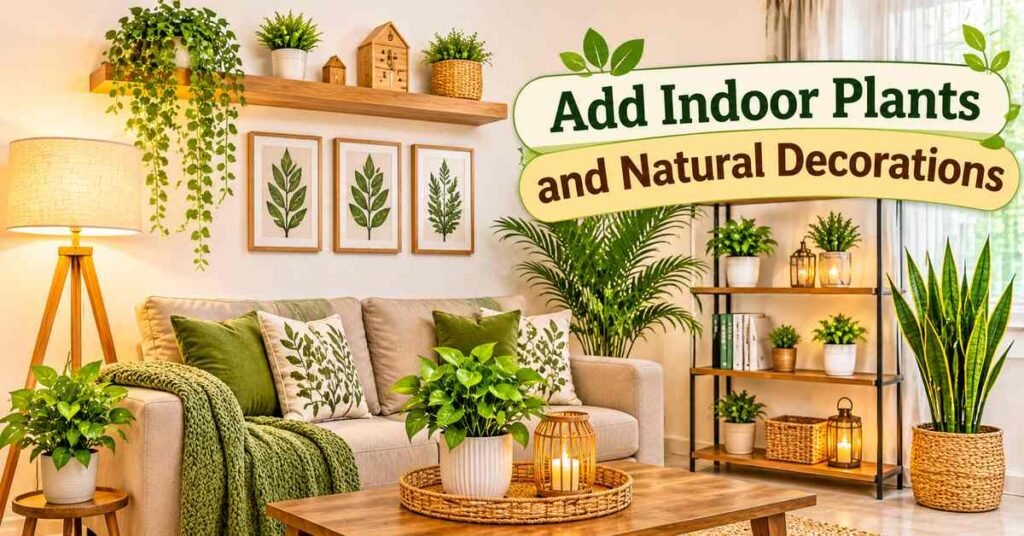
Plants are a simple way to bring color and natural beauty into a room. They can make empty corners look more interesting and help your home feel connected to the outdoors.
You do not need expensive decorative plants. Start with affordable varieties that suit your room’s light conditions and your ability to care for them.
Some popular indoor plant choices include:
- Pothos for a trailing green look.
- Spider plants for shelves and hanging spaces.
- Snake plants for upright decoration.
- ZZ plants for low-light areas, depending on available light.
- Small succulents for bright windowsills.
Remember that no indoor plant is completely maintenance-free. Check its watering, light, and temperature needs before bringing it home. Also, make sure your plant choices are safe around children and pets.
If your budget is very small, ask friends or family members for plant cuttings where appropriate. You can grow some plants from cuttings in water before moving them into suitable pots.
You can also use natural materials to decorate your home. Wooden trays, woven baskets, simple clay pots, and cotton fabrics can add warmth without making a room look crowded.
For a balanced arrangement, place one plant on a shelf, another near a window, and a larger plant in an empty corner if space allows.
Avoid buying too many plants at once. Start with one or two and learn how to care for them properly. Healthy plants will look much better than a large collection that receives the wrong amount of light or water.
Create Simple DIY Decorations at Home
Do-it-yourself decorations are a great way to make your room personal while keeping costs low. You can create useful and attractive pieces with basic materials that you may already have at home.
The key is to choose projects that are simple, safe, and suitable for your skill level. You do not need expensive tools or advanced crafting experience.
Here are a few beginner-friendly projects:
DIY photo frames: Decorate plain frames with paint, fabric, or small wooden details. Add family photographs or printed pictures.
Decorative glass jars: Clean empty jars and use them as holders for pens, makeup brushes, or artificial flowers. Make sure the edges are safe and smooth.
Handmade wall art: Use thick paper or canvas to create simple shapes, abstract designs, or nature-inspired pictures.
Decorative storage boxes: Cover suitable cardboard boxes with leftover fabric or wrapping paper to organize small items.
Simple shelf styling: Arrange a few books, a small plant, and one decorative object on an existing shelf.
You can also reuse old pillow covers, baskets, and containers instead of throwing them away. This approach saves money and gives ordinary objects a new purpose.
Before starting a project, collect all the materials you need. Set a spending limit and avoid purchasing supplies that you will only use once.
Use scissors, glue, paint, and other tools carefully. Children should complete craft projects with adult supervision, especially when sharp tools or hot glue are involved.
The best homemade decorations are not always perfect. They should reflect your taste and make your home feel more personal.
Use Mirrors to Make Small Rooms Feel Brighter
Mirrors are useful decorative items because they reflect light and can make a small room feel more open. They are especially helpful in apartments, narrow hallways, and bedrooms with limited natural light.
You do not need a large designer mirror. A simple secondhand mirror or an affordable framed option can work well.
Placement is important. Try putting a mirror opposite or near a window so it can reflect natural light into the room. You can also place a full-length mirror beside a wardrobe or near the entrance.
Consider these practical ideas:
- Use a full-length mirror in a small bedroom.
- Place a medium-sized mirror above a console table.
- Choose a round mirror for a softer decorative look.
- Use a framed mirror to create a focal point.
- Keep the mirror clean so it reflects light clearly.
The frame can also help match your existing style. Wooden frames work well with farmhouse and natural interiors, while simple black or metallic frames can suit modern rooms.
Before hanging a mirror, check its weight and use suitable wall fixings. Heavy mirrors should be secured properly, and large glass pieces should not be placed where they could easily fall or be knocked over.
Avoid covering every wall with mirrors. One carefully placed mirror is often enough to improve the appearance of a room.
When used thoughtfully, mirrors provide both practical value and visual appeal without requiring a complete room makeover.
Organize Your Room with Affordable Storage
A clean and organized room often looks more attractive than a room filled with expensive decorations. Clutter can make even a large space feel smaller, so improving storage is an important part of decorating.
Before purchasing storage products, remove items you no longer use. Sort your belongings into things to keep, donate, recycle, or dispose of safely.
Next, find simple ways to organize what remains.
For example:
- Use baskets to store blankets and cushions.
- Place small boxes inside drawers to separate accessories.
- Use shelves to organize books and decorative items.
- Store seasonal clothing in suitable containers.
- Use the space under your bed for items you do not need every day.
You can reuse clean boxes, baskets, and containers instead of buying a complete storage system. Add simple labels so you can find things easily.
In a small bedroom, use vertical wall space for shelves where appropriate. This can free up valuable floor space. In a living room, choose a storage table or ottoman that can hold blankets and other items.
Do not overcrowd shelves. Leave some empty space so your decorations and useful objects remain easy to see.
Also, make sure storage furniture is stable. Secure tall shelves and cabinets to the wall when required, especially in homes with young children.
An organized home is easier to clean, more comfortable to use, and often feels more peaceful. Good storage is not only about appearance; it also makes everyday life simpler.
Choose a Simple Color Scheme and Shop Smart
A consistent color scheme can make a room look well-planned, even when most of the furniture and decorations are inexpensive.
Start by choosing two or three main colors. Neutral shades such as cream, warm white, beige, and light gray are easy to work with. You can then add one stronger color through cushions, artwork, plants, or small accessories.
For example, cream walls with natural wood furniture and olive green cushions can create a calm and welcoming space. If you prefer a modern look, try white, gray, and a small amount of black.
Shopping carefully is just as important as choosing the right colors.
Follow these money-saving habits:
- Make a shopping list before visiting stores.
- Compare prices at different shops.
- Check secondhand items before buying new.
- Wait for sales when purchasing non-essential decorations.
- Measure furniture and wall spaces before ordering.
- Avoid buying items only because they are trending.
You can also decorate gradually. Focus on one room or one area at a time instead of trying to change the entire home in one weekend.
A useful rule is to spend first on items that improve comfort or solve a real problem. Decorative accessories should come after essential needs.
Remember that a beautiful home does not need to follow every new design trend. Choose items that you enjoy and that work with your daily routine.
When your colors, furniture, and accessories work together, even simple decorations can create a polished and comfortable result.
Visual Guide: Simple Decorating Changes and Estimated Costs
The following table gives a practical starting point for planning your makeover. Costs are approximate US-dollar estimates, not fixed prices. Actual prices depend on your location, materials, and whether you reuse existing items.
| Decorating project | Estimated cost | Best place to use |
|---|---|---|
| Rearranging furniture | $0 | Any room |
| New cushion covers | $10–$30 | Living room |
| DIY wall art | $5–$20 | Bedroom or living room |
| Small indoor plants | $5–$25 | Any room |
| Decorative mirror | $15–$40 | Bedroom or hallway |
| Table lamp | $15–$35 | Bedroom or living room |
| Storage baskets | $10–$25 | Bedroom or living room |
| Furniture paint refresh | $15–$40 | Bedroom or study |
Which Decorating Changes Should You Make First?
| Your room needs | Recommended change | Expected result |
|---|---|---|
| Looks crowded | Remove unused furniture | More open space |
| Feels dark | Add lamps and open curtains | Brighter atmosphere |
| Has empty walls | Display affordable artwork | More personality |
| Looks boring | Change cushions and bedding | Fresh appearance |
| Has little storage | Add baskets and shelves | Better organization |
| Feels unfinished | Add plants and natural textures | More warmth |
Quick decorating tip: Start with free improvements before spending money. Rearrange furniture, clean the room, remove clutter, and reuse existing decorations. Then decide which one or two purchases will make the biggest difference.
Frequently Asked Questions
1. How can I decorate my room with very little money?
Rearrange furniture, reuse old decorations, make DIY wall art, and refresh cushion covers. Start with free changes before purchasing anything.
2. What colors make a room look expensive?
Warm white, beige, cream, olive green, and soft brown can create an elegant appearance when used with simple furniture and coordinated decorations.
3. How can I make a small room look bigger?
Use light colors, mirrors, natural lighting, and furniture that fits the available space. Keep walkways clear and avoid unnecessary decorations.
4. What are the cheapest ways to decorate bedroom walls?
Try printable artwork, personal photographs, handmade paintings, removable wall stickers, or affordable secondhand frames.
5. How often should I update my room decor?
You do not need to update your room regularly. Make changes when something becomes damaged, uncomfortable, outdated, or no longer suits your needs.
Conclusion
Creating a beautiful home does not mean spending a large amount of money. With careful planning and a little creativity, you can make your bedroom, living room, or apartment feel fresh and comfortable without buying expensive furniture.
The most useful Budget Friendly Room Decor Ideas begin with simple changes. Rearrange your furniture, improve your lighting, refresh your fabrics, add a few plants, and give old items a new purpose. These small improvements can create a noticeable difference while keeping your spending under control.